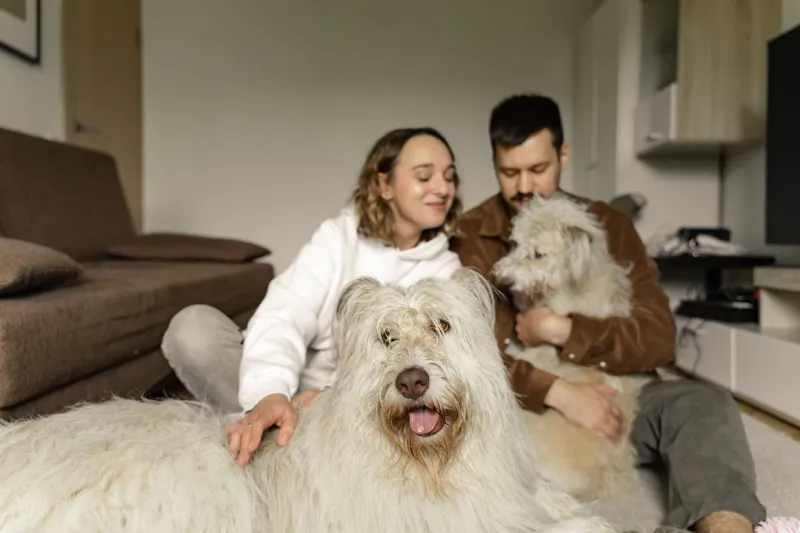
Baby on Board, Pets Already Home: Your Survival Guide to the Wildest Transition of Your Life
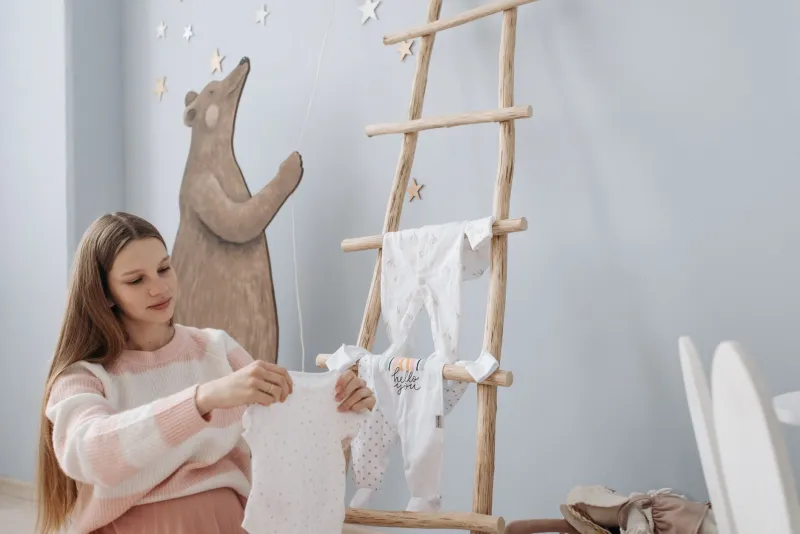
Having a baby is a lot of things. Wonderful, terrifying, life-altering, and — if you already have pets — logistically complicated in ways that no parenting book seems to cover in enough detail. Your dog has been the baby of the household for three years. Your cat has strong opinions about the rocking chair you just installed in the nursery. And you, meanwhile, are trying to prepare for a human being while also managing the feelings of creatures who don't understand what a trimester is.
Welcome to one of the most underestimated adventures in modern family life. The good news: millions of families navigate this transition every year, and the vast majority land on the other side with pets and babies coexisting in something that at least resembles harmony. The better news: a little preparation goes a genuinely long way.
Start Earlier Than You Think You Need To
If there's one piece of advice that rings true across the board, it's this: don't wait until week 38 to start getting your pet ready. Animals — especially dogs — are creatures of habit, and they need time to adjust to new routines, new smells, and new rules. Ideally, you're starting this process in the second trimester, or even earlier if your pet has a history of anxiety or reactivity.
What does early preparation actually look like? A few things:
Establish new boundaries now. If you don't want your dog in the nursery unsupervised, start training that boundary before the room is even finished. The time to teach a dog that a room is off-limits is not the day you bring the baby home. Baby gates are your friend — introduce them early so they become part of the landscape rather than a sudden mysterious barrier.
Gradually shift routines. Your morning walk might get shorter after the baby arrives. Your cat's feeding schedule might shift. Start making these adjustments incrementally now rather than dropping them on your pet all at once. Abrupt changes in routine are a primary trigger for anxiety and behavioral issues in animals.
Introduce baby sounds and smells. This sounds a little odd, but it works. Play recordings of infant sounds — crying, babbling, the chaotic audio of a baby doing baby things — at low volume in the house. Bring home a blanket or piece of clothing from the hospital nursery before the baby arrives, if possible, so your pet can investigate the new human's scent without the new human being attached to it.
The Zoonotic Risk Question (Yes, We're Going There)
Every expectant parent with a cat eventually hears the word "toxoplasmosis" and has a brief panic. Let's address this calmly.
Toxoplasma gondii is a parasite found in cat feces that can cause serious complications during pregnancy if a person without prior immunity is infected. The risk is real but also very manageable. The CDC recommends that pregnant people avoid cleaning the litter box — ideally delegating that task to a partner or other household member for the duration of the pregnancy. If that's not possible, use gloves and wash hands thoroughly afterward.
The bigger picture: indoor cats who don't hunt or eat raw meat have very low toxoplasma risk. The parasite is actually more commonly transmitted through undercooked meat and unwashed produce than through cats. Don't let anyone use this as a reason to rehome your cat — that's almost never medically necessary.
Dogs carry their own considerations: roundworms, ringworm, and Campylobacter are among the parasites and bacteria that can theoretically transfer between pets and humans. The practical answer here is maintaining regular veterinary care, keeping your pet current on parasite prevention, and practicing consistent hand-washing. These are habits worth building now, because they'll matter even more once a crawling baby starts investigating the dog's water bowl.
Creating a Safe Space for Your Pet (Not Just the Baby)
A lot of the preparation conversation focuses on keeping the baby safe from the pet — and that's valid. But the flip side matters enormously too: your pet needs a place to escape. A dog who has no retreat from a shrieking newborn is a stressed dog, and a stressed dog is an unpredictable dog.
Before the baby arrives:
- Set up a dedicated space for your pet — a crate, a bed in a quiet room, a corner that is definitively theirs — where the baby won't go and where the pet can decompress.
- If your dog isn't crate-trained and you think a crate might be helpful, start that training now. A crate should feel like a den, not a punishment.
- Make sure your cat has vertical escape routes — shelves, cat trees, elevated surfaces — where they can observe the chaos from a safe height. Cats who feel trapped are cats who scratch.
The First Introduction: Slow Down
The moment you bring your baby home from the hospital is not the moment for a big dramatic meet-and-greet. Keep it calm, structured, and on the pet's terms.
For dogs: have someone else carry the baby inside while you greet your dog first. Let them get that initial burst of excitement out before the baby is in the picture. Then allow a calm, controlled introduction — dog on leash, baby held by a parent, everyone quiet and relaxed. Let the dog sniff from a respectful distance. Reward calm behavior extravagantly.
For cats: let them approach on their own timeline. Most cats will investigate from a distance first, then gradually move closer over days or weeks. Don't force it. A cat who chooses to accept the baby is far safer than a cat who's been pressured into proximity they didn't want.
Never leave any pet — no matter how gentle, no matter how trusted — unsupervised with an infant. This isn't about not trusting your animal. It's about recognizing that infants make unpredictable sounds and movements that can startle even the calmest pet, and that the consequences of a misjudged moment are too serious to risk.
Keeping the Bond Alive When You're Running on Empty
Here's the part nobody talks about enough: you will feel guilty about your pet. In those early weeks of new parenthood, when you're operating on three hours of sleep and the dog hasn't had a proper walk in four days, the guilt is real. Your pet may act out — accidents, destructive behavior, excessive clinginess — and you may feel like you're failing everyone simultaneously.
You're not. This is temporary, and your pet is more resilient than you think.
A few things that help:
- Involve your pet in baby routines where you can. The dog can sit next to you during feeding time. The cat can observe from their perch. Inclusion beats exclusion for maintaining the bond.
- Ask for help. If a trusted friend, family member, or dog walker can take over some pet duties during the fourth trimester, accept that help without guilt.
- Short but consistent beats long and occasional. A ten-minute dedicated play session daily does more for your dog's emotional wellbeing than a two-hour park trip once a week.
The adventure of adding a baby to a pet-filled household is genuinely messy, occasionally hilarious, and ultimately one of the most rewarding things your family can do. The chaos is temporary. The photos of your baby and your dog growing up together? Those are forever.