Frenzy Mode Activated: What Your Pet's Zoomies Are Really Trying to Tell You
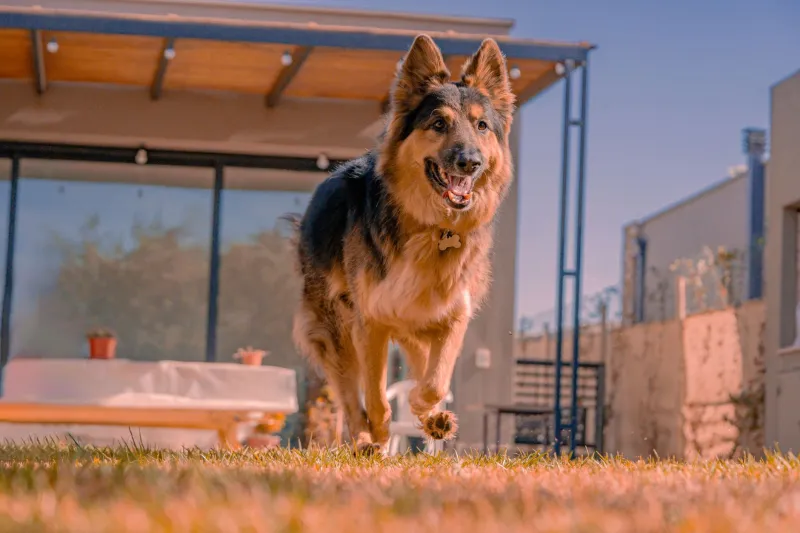
It happens without warning. You're sitting at the kitchen table, maybe enjoying your first peaceful cup of coffee in three days, when suddenly your dog launches off the couch, tears through the living room at approximately the speed of sound, skids across the hardwood floors like he's auditioning for a NASCAR pit crew, does three laps around the dining room table, and then — just as suddenly as it started — collapses in a heap and stares at you like you're the weird one.
Congratulations. Your pet just had the zoomies. And despite what your shattered nerves might be telling you right now, that is actually a very, very good thing.
So What Even Are the Zoomies?
The official scientific term — yes, scientists gave this an official name, bless them — is Frenetic Random Activity Periods, or FRAPs. And before you start Googling whether your pet needs medication or an exorcism, here's the headline: FRAPs are completely normal, extremely common, and widely considered a sign of a healthy, happy animal.
Dogs are the most famous zoom-artists, but cats are absolutely not innocent here. Cat zoomies tend to happen at 2 AM for maximum chaos, but the underlying mechanics are the same. Even rabbits, ferrets, and guinea pigs get in on the action. Basically, if it has legs and lives in your home, it has the potential to absolutely lose its mind for 90 seconds and then act like nothing happened.
The behavior is most commonly seen in younger animals, but adult and senior pets zoom too — and when they do, it's basically the animal equivalent of doing a happy dance.
The Science of the Spin Cycle
Researchers who study animal behavior have linked zoomies to a few key triggers, and nearly all of them point toward positive emotional states. Here's what's actually going on inside that adorable, chaotic little brain:
Pent-up energy release. Animals — just like kids — accumulate physical and mental energy throughout the day. When that energy reaches a tipping point, the body basically hits the release valve. The result? Zoomies. Think of it as your pet's version of your kids finally getting to recess after sitting through a long school morning.
Emotional overflow. Pets often zoom after something exciting or emotionally stimulating: a bath (the post-bath zoomies are practically a national institution), a play session, or when a beloved family member comes home. The excitement is so big their bodies can't contain it, so they just... run. Wildly. Into things.
Stress relief. In some cases, a brief zoom session can also signal that your pet has successfully processed a stressful situation and returned to baseline. It's their way of shaking it off — literally. Animal behaviorists note that this kind of movement helps regulate the nervous system, which means your pet may actually be self-soothing in the most dramatic way possible.
A sign of trust and security. Here's the part that should make every pet parent feel genuinely warm inside: pets who feel unsafe, anxious, or chronically stressed rarely zoom. The freedom to completely let loose — to be ridiculous and unguarded — requires a foundation of comfort and security. When your pet zooms in your home, they're essentially saying, I feel safe enough here to be my most chaotic self. That's not misbehavior. That's love.
What Zoomies Tell You About Your Family's Bond
Pet behaviorists consistently point out that a zooming pet is a mentally healthy pet. Animals who are bored, depressed, under-stimulated, or living in stressful environments tend to express that through destructive behavior, withdrawal, or excessive barking — not joyful, full-body sprinting.
So if your dog regularly tears through the house after dinner while your kids shriek and chase after him, that's not a sign that your household is out of control. It's a sign that your household is alive — and that your pet is deeply embedded in the emotional rhythm of your family. They're happy. They're stimulated. They feel the energy of the people they love, and they're responding to it with everything they've got.
In a lot of ways, your pet's zoomies are a report card. And you're getting an A.
Channeling the Chaos (Without Losing Your Mind)
Okay, so the zoomies are healthy and sweet and scientifically wonderful. They're also occasionally terrifying when your 70-pound Labrador treats your toddler like a traffic cone. Here's how to work with the zoom instead of just bracing for impact:
Give them a designated zoom zone. If you have a backyard, that's your best friend. When you notice the pre-zoom energy building — the butt-tuck, the wild eyes, the sudden stillness before the storm — open that back door and let them rip outside. Your furniture will thank you.
Turn it into a family activity. Kids and zoomie-ing pets are a match made in chaotic heaven. Set up a simple obstacle course in the yard using cones, hula hoops, or even just lawn chairs. Let the kids "race" the dog. Nobody wins, everybody laughs, and everyone sleeps better that night.
Use the energy for training moments. Right after a zoom session, many pets enter a calm, receptive state — think of it as the post-sprint zen. That's actually a great time to practice basic commands or introduce new tricks. The physical release has cleared the mental clutter, and they're surprisingly focused.
Track the patterns. Pay attention to when your pet tends to zoom most. After meals? When the kids get home from school? Right before bed? Understanding the rhythm helps you anticipate the chaos and, better yet, redirect it productively before the coffee table becomes a casualty.
Make sure they're getting enough daily movement. Frequent, intense zoomies can sometimes signal that a pet needs more regular exercise built into their routine. A dog who zooms obsessively might be running on a larger energy surplus than their current activity level can manage. More walks, more play, more enrichment — and those zoom sessions may become shorter and more manageable.
When to Actually Pay Attention
In the vast majority of cases, zoomies are pure, wholesome comedy. But occasionally, frantic movement can signal something that needs a vet's attention — particularly if it's accompanied by signs of distress, happens after exposure to something new, or if your pet seems confused or disoriented rather than joyful during the episode. If the zoomies look more like panic than play, trust your gut and give your vet a call.
For most families, though, the zoomies are exactly what they look like: your pet being deliriously, ridiculously, whole-heartedly happy.
Embrace the Beautiful Chaos
At Springdoo, we believe the best family moments are rarely the ones you planned. They're the spontaneous, slightly unhinged ones — the ones where the dog is spinning in circles, the kids are screaming with laughter, and someone's sock is definitely missing. Those moments are the whole point.
So the next time your pet activates full frenzy mode and turns your living room into a one-animal demolition derby, take a breath, move the breakables, and maybe grab your phone to record it. Because what you're actually watching isn't chaos.
It's a happy home, doing exactly what happy homes do.