Clocking Out Doesn't Mean Checked Out: The Working Pet Parent's Guide to Letting Go of the Guilt
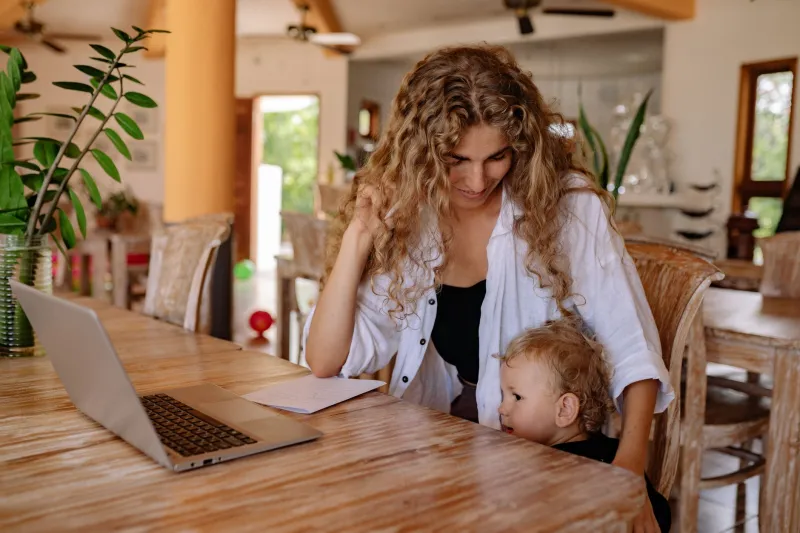
Somewhere between your second cup of coffee and your third Zoom call, it happens. A little voice in your head — louder than your inbox, more persistent than your toddler — starts whispering. Is Biscuit lonely? Did the kids notice I rushed out? Am I basically a monster?
Welcome to the Pet Parent Guilt Spiral. Population: approximately every working adult who has ever loved a dog, a cat, a kid, or some chaotic combination of all three.
Here's the thing, though. The spiral lies. And we're here to unwind it.
The Myth of the "Always Home" Perfect Pet Parent
Social media has a lot to answer for. Between the influencers who appear to spend their entire day throwing frisbees for their golden retrievers and the parenting accounts that suggest any time away from your children constitutes emotional abandonment, it's easy to conclude that you're doing it all wrong.
You're not.
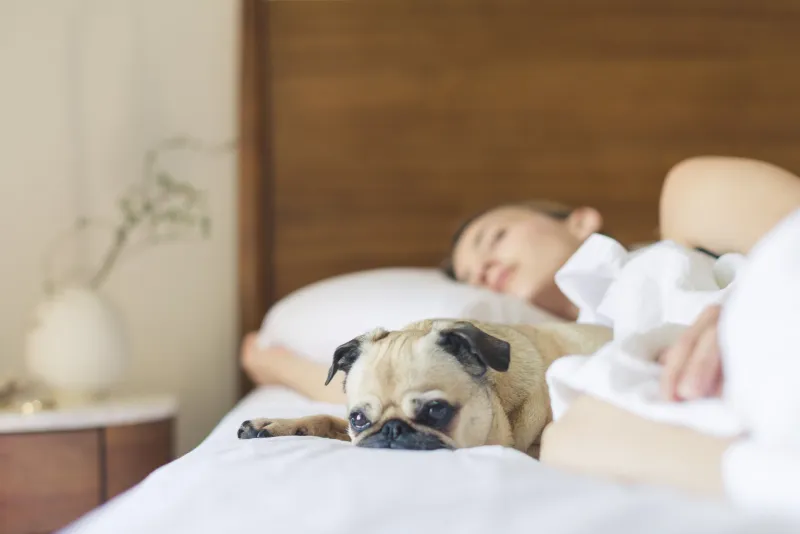
Dr. Kristyn Vitale, an animal behavior scientist whose research focuses on the human-animal bond, has found that what matters most to pets — particularly cats and dogs — isn't constant physical presence. It's the quality of the attachment they feel with their humans. Dogs, for instance, are remarkably adaptable creatures. They sleep an average of 12 to 14 hours a day. While you're grinding through spreadsheets, there's a solid chance Biscuit is absolutely unconscious on the couch, dreaming about squirrels.
Cats, famously, could not care less where you are. (We say this with love.)
What the Research Actually Says About Kids and Working Parents
Let's talk about the human children for a second, because the guilt doesn't stop at the fur babies.
Decades of research — including landmark studies from Harvard and the American Psychological Association — consistently show that parental employment status alone is not a predictor of child well-being. What does matter? The warmth of the parent-child relationship, the stability of the home environment, and the quality of alternative care arrangements.
In fact, some studies suggest that children with working parents — particularly working mothers — demonstrate stronger career aspirations, greater independence, and more egalitarian attitudes about gender roles. So not only are you not ruining your kids, you might accidentally be raising future CEOs. You're welcome, America.
The takeaway here isn't "go ahead, be absent and indifferent." It's that presence is about intention, not clock hours.
The Pet Cam Paradox (Step Away From the Live Feed)
Here's a gentle intervention: if you are watching your pet cam more than three times a day, you are not managing your anxiety — you are feeding it.
Pet cameras are wonderful tools for genuine safety monitoring. Did the dog knock something over? Is the cat acting strange? Great, useful information. But using the camera as an emotional security blanket — refreshing it obsessively, interpreting every nap as depression, every yawn as existential suffering — turns a helpful gadget into an anxiety engine.
Your dog lying on the rug in a sunbeam is not sad. That dog is winning at life. Let him have it.
Making Quality Time Actually Count
Okay, so quantity isn't the whole story. But quality matters enormously, and there are real, practical ways to make your time with pets and kids count when you are present.
For the furry members of the family:
-
Morning rituals matter. Even fifteen minutes of intentional engagement before you leave — a walk, a play session, some genuine ear scratches — signals to your pet that they are loved and sets a calm tone for the day. Dogs especially respond to routine. Predictability is their love language.
-
Hire thoughtfully, not guiltily. A good dog walker, a trusted pet sitter, or a quality doggy daycare isn't an admission of failure. It's responsible pet ownership. Research shows that social interaction during the day — particularly for high-energy breeds — actually improves behavior and reduces anxiety. You're not outsourcing love. You're supplementing it.
-
The after-work reunion is real. Studies on canine behavior confirm that dogs genuinely experience excitement and emotional relief when their owners return. That tail-wagging, zoomie-running, face-licking chaos when you walk through the door? That's not performance. That's a relationship. Honor it. Put the phone down for ten minutes and just be there.
For the small humans:
-
Ditch the distracted presence. Forty-five minutes of fully engaged, screen-free, actually-listening time beats three hours of being in the same room while scrolling. Kids — like pets — are remarkably good at sensing when you're mentally elsewhere.
-
Let the pet be the bridge. One of the sneaky beautiful things about having animals in the house is that caring for them together becomes a bonding activity. Evening walks, feeding routines, weekend trips to the dog park — these shared responsibilities create connection between parents and kids while also benefiting the pet. Everybody wins.
-
Talk about it. Older kids especially benefit from honest, age-appropriate conversations about why parents work and what that means for the family. "I go to work because I love our family and want to take care of us" lands very differently than a rushed goodbye.
Redefining What a Good Pet Parent Looks Like
A good pet parent isn't someone who never leaves the house. A good pet parent is someone who ensures their animal is safe, stimulated, and genuinely cared for — whether that care comes directly from them or from a trusted network they've built.
The same logic applies to parenting humans. The goal was never martyrdom. The goal is raising confident, loved, resilient kids who grow up knowing they matter — not kids who had a parent physically present every second but emotionally unavailable for most of it.
You can work full-time and be a wonderful parent. You can work full-time and be a wonderful pet owner. These things are not in conflict. The guilt spiral wants you to believe otherwise because guilt is sneaky and loud and doesn't have a mute button.
The Bottom Line
Biscuit is fine. Your kids are fine. And you — exhausted, caffeinated, doing your absolute best — are doing better than you think.
Spend less time refreshing the pet cam and more time being genuinely present when you are home. Build routines that give your pets and your kids something to count on. Trust the people and services you've put in place to help. And give yourself the same grace you'd give any other parent who's just trying to hold it all together with love, good intentions, and maybe a slightly excessive number of dog treats.
You've got this. And Biscuit? He's already napping. He's totally fine.