Two's Company, Three's a Standoff: The Honest Truth About Bringing a Second Pet Home
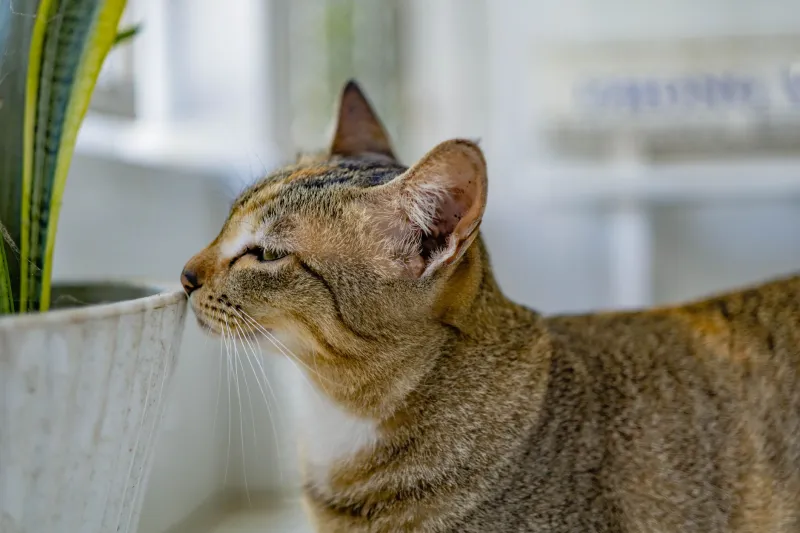
Let's set the scene. You're scrolling through your phone on a Tuesday night, and there it is: a photo of the most heartbreakingly adorable rescue animal you've ever seen in your life. Your current dog is snoring on the couch next to you. Surely, you think, he would love a friend. Surely this is meant to be.
Maybe it is. But "meant to be" and "will actually go smoothly" are two very different things, and the gap between them is where a lot of well-intentioned pet owners get themselves into trouble.
Adding a second pet to your household is one of the most rewarding things you can do — and also one of the most genuinely disruptive. The animals who thrive together didn't get lucky. Their owners did the work. Here's what that work actually looks like.
First, the Uncomfortable Question
Before we talk strategy, let's address the thing nobody wants to hear: not every household is the right fit for a second pet, and not every existing pet is wired to share their space. That's not a failure. That's just reality.
Some animals are profoundly territorial. Some have trauma histories that make new introductions genuinely stressful. Some are elderly and have earned the right to a quiet, predictable life in their golden years. If your current pet is any of these things, the kindest choice might be to stay a one-pet household — at least for now.
Asking yourself the hard questions upfront saves everyone a lot of chaos later. Does your current pet have a history of aggression toward other animals? Have they ever lived with another pet before? How did that go? These are not fun questions, but they are important ones.
Understanding What "Compatible" Actually Means
Pet compatibility is not just about species. Two dogs can be wildly incompatible. Two cats can be mortal enemies. A dog and a cat can become the most improbable best friends you've ever witnessed.
What matters most is energy level, temperament, and — in the case of dogs — socialization history. A high-energy Border Collie puppy introduced to a 12-year-old Basset Hound who just wants to nap is not a pairing; it's a hostage situation. Similarly, a confident, assertive cat is going to have very different feelings about a new kitten than a shy, anxious cat who already hides when the mailman knocks.
When possible, try to find out as much as you can about the new animal's history before committing. Good rescue organizations and shelters can often tell you whether an animal has lived with other pets before and how those experiences went. That information is worth its weight in gold.
The Introduction: Where Most People Go Wrong
Here's the most common mistake: bringing the new pet home and just... letting the animals figure it out. This approach occasionally works, mostly in movies, and almost never in real life. What it usually produces is a territorial standoff, a frightened new animal, and an existing pet who is now deeply suspicious of your judgment.
A proper introduction is a process, not a moment. Think of it in stages:
Stage 1: Scent First, Faces Second
Before the animals ever see each other, let them smell each other. Bring home a blanket or toy that smells like the new pet and let your existing animal investigate it on their own terms. Do the same in reverse at the shelter or foster home if possible. Scent is how animals process the world, and a familiar smell takes a little of the shock out of the first meeting.
Stage 2: The Neutral Territory Introduction
For dogs especially, the first in-person meeting should happen somewhere neither animal considers their turf — a neutral park, a neighbor's yard, a quiet parking lot. Keep both dogs on leashes, keep the energy calm, and let them sniff each other briefly before redirecting their attention. Short, positive, and uneventful is the goal. Dramatic is not.
For cats, skip the direct introduction entirely at first. The new cat goes into one room with the door closed. Feed both cats on opposite sides of the door so they associate each other's smell with something good. Do this for several days before any visual contact happens.
Stage 3: Supervised Cohabitation
When you do bring the animals together in the home, supervise everything. Every meal, every play session, every moment of shared space gets your full attention until you're confident the dynamic is stable. This phase can last days or weeks depending on the animals involved. Rushing it is the fastest way to set everyone back to square one.
Common Mistakes That Derail the Whole Thing
- Forcing interaction: If one animal wants to retreat, let them. Forcing proximity when an animal is stressed is how you get bite incidents and lasting fear responses.
- Neglecting the resident pet: Your existing pet was there first and is processing a genuinely confusing change in their world. Give them extra attention, keep their routines as stable as possible, and don't let the new pet monopolize your energy.
- Skipping the vet check: Before introducing a new animal to your household, make sure both animals are up to date on vaccinations and have been checked for parasites. This is basic, but it gets overlooked more than it should.
- Expecting immediate friendship: Some animals bond quickly. Others take months to reach a peaceful coexistence. Both outcomes are normal. "They don't fight" is a perfectly acceptable Phase 1 goal.
When It's Actually Going Well
You'll know the introduction is working when the body language shifts. Relaxed posture, mutual curiosity without tension, voluntary proximity, play behavior — these are all green flags. A cat who blinks slowly at the new dog. A dog who does a play bow. Two animals sleeping in the same room without either one looking like they're waiting for something terrible to happen.
These moments are genuinely wonderful. The chaos of the introduction period makes them feel earned in a way that's hard to describe.
Knowing When to Call in Backup
If weeks pass and there's no progress — or worse, if there's escalating aggression — it's worth consulting a certified animal behaviorist rather than just hoping things improve. This is not admitting defeat. It's being a responsible pet owner. A professional can observe the dynamic, identify what's actually driving the tension, and give you a concrete plan that's specific to your animals.
Some situations do require rehoming the new pet for the safety and wellbeing of everyone involved, including the animals. That's a heartbreaking outcome, but it happens — and acknowledging it is part of making a responsible decision from the start.
The Payoff Is Real
For all the complexity of the process, the households that get it right end up with something genuinely beautiful: animals who play together, comfort each other, and fill the home with a specific kind of warm, chaotic energy that's impossible to replicate. Families who've done the work tend to say the same thing — they can't imagine going back.
Just go in with your eyes open, your expectations calibrated, and a solid supply of patience. The animals are worth it. So is doing it right.