Ditch the Fumes, Keep the Fur: A Room-by-Room Pet-Safe Spring Cleaning Playbook
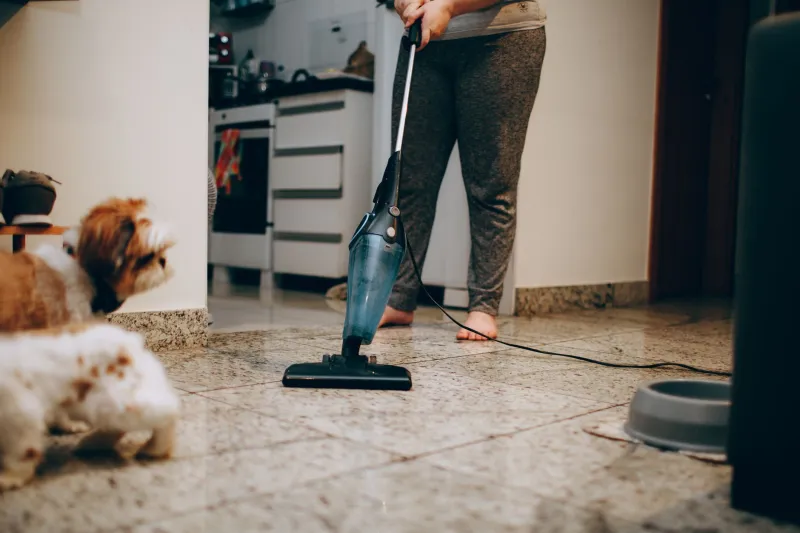
Every spring, millions of American households do the same thing: fling open the windows, blast some upbeat playlist, and reach for every cleaning product under the kitchen sink. It's practically a national ritual. But if you share your home with a dog who licks the floor like it's a buffet, or a cat who treats the freshly mopped bathroom tile as her personal runway, that cheerful cleaning spree could actually be working against you.
The good news? You absolutely do not have to choose between a genuinely clean home and a safe environment for your pets. You just have to clean smarter — and maybe stop buying products with ingredient lists that read like a chemistry final exam.
Let's dig in.
Why Your Current Cleaning Cabinet Might Be a Problem
Here's the thing most product labels don't shout from the rooftops: a surprising number of common household cleaners contain compounds that are legitimately toxic to pets. Phenols (found in some popular disinfectant sprays) are particularly dangerous for cats, whose livers simply aren't equipped to process them. Bleach-based products, ammonia, and certain essential oils — yes, even some of the "natural" ones — can cause everything from mild respiratory irritation to serious organ damage depending on the exposure level.
Pets are also lower to the ground than we are, which means they're breathing in more of whatever you just mopped onto the floor. And then, because they're animals and they cannot help themselves, they lick it.
This is not a reason to panic. It IS a reason to rethink your supply list before shedding season hits full stride.
Building Your Pet-Safe Cleaning Arsenal
Before you tackle any room, stock up on these genuinely effective, pet-friendly staples:
- White distilled vinegar: A mild acid that cuts grease, neutralizes odors, and disinfects surfaces without leaving a toxic residue once dry. Cats famously hate the smell while it's wet, which is honestly a bonus if you're trying to keep them off the counter.
- Baking soda: Your go-to for absorbing odors in carpets, pet beds, and upholstery. Sprinkle, wait 15–20 minutes, vacuum up. Done.
- Castile soap: A plant-based soap that cleans effectively without harsh synthetic detergents. Dr. Bronner's is the classic American household staple, but any pure castile soap works.
- Hydrogen peroxide (3%): Great for tackling pet stains and light disinfecting. Just don't mix it with vinegar — that combo creates an irritating compound that helps nobody.
- Microfiber everything: Cloths, mop heads, dusting mitts. Microfiber physically traps pet hair, dander, and dirt without needing a chemical assist.
Room by Room: The Springdoo Strategy
The Living Room (a.k.a. The Fur Accumulation Zone)
If your couch looks like it's growing a second pet, you're not alone. Start with a rubber glove — just a regular dish glove — dampened slightly and run it across upholstered surfaces. Pet hair clings to the rubber like magic and rolls right off into the trash. Follow that with a thorough vacuum using an attachment designed for pet hair.
For hard floors and baseboards, a microfiber mop dampened with a 1:1 dilution of white vinegar and water handles dust, dander, and light grime beautifully. Skip the store-bought floor sprays — many contain surfactants that leave a residue your pet will walk through and then groom off their paws.
Area rugs get the baking soda treatment: sprinkle generously, let it sit while you do something else productive, then vacuum slowly in two directions.
The Kitchen (Paws Off the Counter Edition)
Kitchens need actual disinfecting, not just surface cleaning. A solution of 1 tablespoon castile soap per 2 cups of warm water handles everyday grime on counters, stovetops, and cabinet fronts. For deeper sanitizing — especially around pet food and water bowl areas — a 1:10 dilution of 3% hydrogen peroxide and water applied and left for 10 minutes before wiping does the job.
Pet food bowls, by the way, should be washed daily in hot soapy water. They're a surprising hotspot for bacteria, and the slimy biofilm that builds up inside plastic bowls is doing nobody any favors. Consider switching to stainless steel or ceramic if you haven't already.
The Bathroom (The Room Your Cat Is Definitely Judging)
Toilet bowl cleaners are among the most problematic products for pets — particularly curious dogs who view the toilet as a water feature. Look for enzyme-based toilet cleaners, which are formulated to be far safer around animals. Or go old-school: baking soda paste scrubbed in with a brush, followed by a vinegar rinse, works better than most people expect.
For tile and grout, a paste of baking soda and castile soap applied with an old toothbrush is genuinely satisfying to use and completely pet-safe once rinsed.
Bedrooms and Pet Sleeping Areas
This is where the biological material really concentrates. Pet beds should be washed in hot water (check the care label) with an unscented, dye-free detergent. Add half a cup of white vinegar to the rinse cycle to neutralize odors and soften the fabric naturally.
Mattresses and your own bedding benefit from a baking soda treatment too, especially if your dog has a standing invitation to sleep with you (no judgment — 45% of American pet owners let their dogs sleep in the bed).
Managing the Shedding Season Without Losing Your Mind
Spring shedding is its own category of chaos. A few tools that genuinely earn their counter space:
- Deshedding brushes (like the Furminator or similar): Used weekly during peak shedding months, these dramatically reduce the amount of fur that ends up on your furniture and floors.
- Air purifiers with HEPA filters: Pet dander is a major indoor air quality issue. A good HEPA purifier in main living areas makes a noticeable difference for both allergies and overall air freshness.
- Washable slipcovers: Not glamorous, but washing a slipcover weekly is infinitely easier than deep-cleaning upholstery every month.
The Ventilation Rule Nobody Talks About Enough
Here's a simple rule that applies to every product, even the safe ones: ventilate. Open windows, run fans, let surfaces dry completely before allowing pets back into a room. Even pet-safe cleaners can cause mild irritation if a curious nose gets into a wet, concentrated area. Fresh air is the ultimate finishing touch on any clean room — and it costs nothing.
Spring cleaning doesn't have to be a standoff between a spotless home and a safe one. With the right ingredients, the right tools, and a room-by-room game plan, you can have both — and your pets will never know the difference. Well, except for the cat. She always knows. She just doesn't care.