Oversharing Your Overachiever: The Smart Family's Guide to Pet Content, Privacy, and Knowing When to Log Off

Photo: www.Pixel.la Free Stock Photos, CC0, via Wikimedia Commons
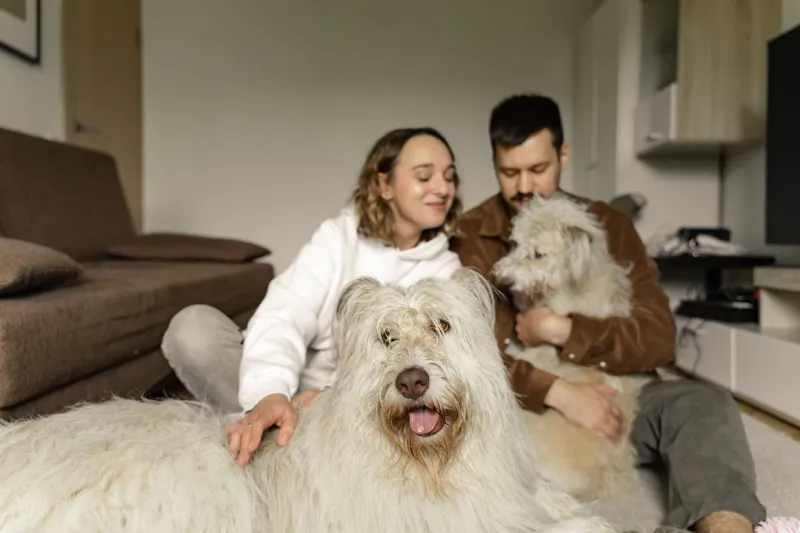
Let's be honest about something: your dog has a better social media presence than most adults you know. The lighting in their photos is intentional. The captions have personality. There is a consistent color palette. You — a grown person with a mortgage — have put genuine creative energy into making your golden retriever's Instagram grid cohesive.
No judgment. Truly. Pet content is one of the few corners of the internet that remains almost universally beloved, and documenting your furry family member's ridiculous life is one of the purest joys available to modern humans. But as our homes get smarter, our collars get GPS-enabled, and our cameras get AI-powered, it's worth pausing the content machine long enough to ask a few questions that have nothing to do with filters.
Specifically: what are you actually sharing, who can see it, and is any of it putting your family — or your pet — at risk?
The Instagram Pet Account: Adorable, Mostly Harmless, Occasionally Not
Public pet accounts are a genuine cultural institution at this point. Accounts like Doug the Pug and Jiff Pom have millions of followers and actual brand deals. Your neighbor's corgi has 4,000 followers and a sponsored post from a boutique treat company. These are real things that happen in the world we live in.
For most families, a pet account is pure joy — a creative outlet, a community of like-minded animal lovers, a place to dump all the videos that would otherwise clog your camera roll. The risks are relatively low. But "relatively low" isn't the same as "zero."
The main concern with public pet accounts isn't usually about the pet — it's about the incidental information that accumulates around the pet content. That adorable photo of your dog in front of your house? If your home address is identifiable from the background, you've just told thousands of strangers where you live. The "first day at our new place!" post with a visible street sign? Same issue. The video of your kids playing in the backyard with the dog? Now strangers know what your kids look like, what your yard looks like, and roughly when your family is home.
None of this requires paranoia. It requires a quick habit adjustment: before you post, ask what else is in the frame. Street signs, school names on backpacks, distinctive landmarks, and house numbers are worth cropping out — not because disaster is inevitable, but because there's no upside to broadcasting that information and a small but real downside to doing so.
GPS Collars and Location Trackers: Brilliant Technology, Worth Understanding
GPS pet trackers are one of the genuinely great innovations in pet ownership. Devices like Whistle, Fi, and Tractive have reunited thousands of families with escaped pets, and if you have an escape artist (see also: every article we've ever written about fence diggers), a tracker is close to a non-negotiable investment.
But here's the part of the brochure that doesn't get as much attention: these devices collect and store location data. Your pet's movement patterns — when they're walked, where they go, how long they're home alone — can paint a remarkably detailed picture of your family's daily routine. Most reputable companies have clear privacy policies and don't sell this data, but "most" and "reputable" are doing a lot of work in that sentence. Before you clip a tracker to your pet's collar, spend ten minutes reading the privacy policy of whichever platform you're using. Look specifically for language about third-party data sharing and what happens to your data if the company is acquired.
Also worth knowing: if your pet's tracking app has a social feature that lets you share location or routes publicly, turn it off. There's no scenario where broadcasting your dog's daily walk route to the internet improves your family's safety.
AI Pet Cameras: Impressive, Slightly Unnerving, Totally Worth It If You're Careful
The smart pet camera market has exploded in recent years, and the technology is legitimately impressive. Cameras like Furbo, Petcube, and the newer AI-enabled models can detect barking, alert you to unusual behavior, dispense treats remotely, and — in some cases — analyze your pet's activity patterns to flag potential health concerns. For families with separation-anxious pets or pets with medical conditions, these cameras are transformative.
The privacy considerations here are worth a moment of attention, though. These cameras are, by definition, always-on devices in your home that stream video to a cloud server. They're subject to the same security vulnerabilities as any other connected home device. Best practices include: using strong, unique passwords for your camera account, enabling two-factor authentication, keeping the camera's firmware updated, and pointing the camera at your pet's area rather than at your entire living space.
Also — and this one comes up less often than it should — be thoughtful about what conversations happen near an always-on camera. This isn't tinfoil-hat territory; it's the same common sense you'd apply to any smart home device.
The Deeper Question: What Are We Actually Documenting?
Beyond the security practicalities, there's a softer question worth sitting with: what relationship do we want our families to have with our pets' documented lives?
There's something a little strange about the impulse to reach for a phone the moment a pet does something funny or sweet. Not wrong — just worth noticing. The families who seem to have the healthiest relationship with pet content are the ones who document intentionally rather than reflexively. They take the video. They also put the phone down and just watch their dog be ridiculous in the leaves, without an audience, without a caption, without a story.
Pets have an extraordinary gift for being entirely present in the moment they're in. It would be a shame to spend those moments optimizing the angle.
A Quick Checklist Before You Post
For families who want to keep sharing without the headaches, here's a fast gut-check before you hit publish:
- Is your home address identifiable? Crop or blur if yes.
- Are your kids clearly visible? Decide deliberately whether that's okay for your family's comfort level.
- Does the caption reveal your routine? "Morning walk at Riverside Park, 7 AM every day!" is a lot of information.
- Is the account set to public? Private accounts shared with people you actually know are genuinely lower-risk.
- Have you read your tracker or camera platform's privacy policy? Even once? No rush. We'll wait.
None of this is meant to dim the joy of sharing your pet's life. The world is genuinely better for having access to videos of dogs failing to catch frisbees and cats sitting in boxes that are comically too small for them. Share away. Just share smart.
Your dog's brand deserves a good PR strategy.