Two Homes, One Very Confused Dog: Surviving Pet Co-Parenting After a Split
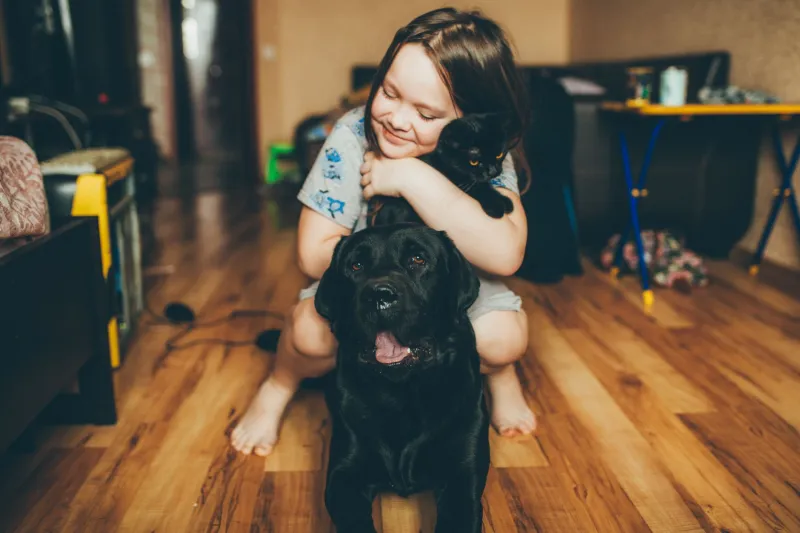
There are a lot of things nobody tells you about divorce. One of them is that the conversation about who gets the dog can get surprisingly heated — sometimes more heated than the conversation about the furniture, the savings account, or the good blender.
This is not a character flaw. It's a reflection of how deeply animals are woven into family life. Your pet was there for the good years. They were probably there for some of the hard ones, too, curled up next to someone who needed them. Of course figuring out what happens to them matters.
If you're navigating this right now — either in the middle of a separation or trying to make a post-divorce arrangement actually work — this one's for you.
Where the Law Actually Stands
Let's get the legal reality out of the way first, because it's changed more than most people realize.
For most of American legal history, pets were treated as property under the law — no different from a couch or a set of dishes. Courts would simply assign ownership and move on. That framework is shifting. Several states, including Alaska, California, and Illinois, have passed laws allowing courts to consider the wellbeing of a pet when making divorce determinations, rather than just deciding who owns the animal as an asset.
What this means practically: in states with these provisions, a judge can look at factors like who primarily cared for the animal, who has a living situation better suited to the pet's needs, and what arrangement would serve the animal's welfare. It's not quite the same as child custody, but it's meaningfully different from dividing up the silverware.
If you're in a state that hasn't adopted these provisions, pets are still legally property — which means the outcome may depend heavily on whose name is on the adoption paperwork, the vet records, or the microchip registration. Documentation matters more than it should, but here we are.
If you want a co-parenting arrangement for your pet formalized, ask your attorney about including it in your divorce agreement. Courts are increasingly willing to honor these arrangements when both parties agree.
Making a Co-Parenting Plan That Actually Works
If both households want to stay involved with the pet — and especially if children are attached to the animal — a shared arrangement is often the most humane outcome for everyone, including the pet. But "we'll figure it out" is not a plan. Here's what a real plan looks like.
Establish a primary home base. Animals, particularly dogs and cats, generally do better with consistency. If a true 50/50 split would mean the pet is constantly in transit, consider designating one home as the primary residence with regular visits to the other. This is especially important for older animals or those with anxiety.
Set a schedule and write it down. Holidays, school breaks, vacations — all of it. The more specific you are upfront, the fewer awkward texts you'll send later. Treat it like a parenting schedule, because functionally, that's what it is.
Decide in advance how vet decisions get made. Who authorizes routine care? What happens in an emergency when one person can't be reached? What's the plan if the pet needs expensive treatment? These conversations are uncomfortable to have, but they're far less uncomfortable than having them at 11 PM in a vet clinic waiting room.
Split costs fairly and track them. Vet bills, food, grooming, medications — agree on how these get divided and keep records. Apps like Splitwise make this less painful and prevent the slow resentment build that comes from one person feeling like they're carrying the financial weight.
Helping Kids Through the Transition
For children, the family pet is often an anchor — a source of comfort and continuity in a situation that feels like everything is changing. The way you handle pet co-parenting can have a real impact on how secure your kids feel during the transition.
A few things that genuinely help:
Let kids be involved in the pet's care at both homes. Feeding, walking, brushing — giving children responsibility for the pet reinforces that their relationship with the animal is theirs, not dependent on which parent they're with that week.
Don't use the pet as a messenger or a bargaining chip. Sending notes in the dog's collar is creative, but it puts the animal in the middle of adult dynamics in a way that's not fair to anyone. The same goes for withholding pet time as leverage.
Acknowledge that kids might grieve the pet's absence. If the dog primarily lives with the other parent, your child may genuinely miss them during your weeks. Take that seriously. Video calls with the pet are surprisingly effective and only slightly ridiculous.
Keep routines consistent across both homes. Same food, same feeding times, same rules about furniture if possible. Consistency helps the pet adjust and gives kids a sense of normalcy.
The Emotional Side You're Allowed to Feel
Here's the part that doesn't get said enough: grieving the change in your relationship with your pet is legitimate. If the dog ends up primarily at your ex's place and you only see them on weekends, that's a real loss. You're allowed to feel it.
The pet doesn't understand what happened. They just know who's in the room, who's feeding them, and who smells like home. That can sting in ways that are hard to articulate to anyone who hasn't been through it.
Be patient with yourself. Be patient with the animal. And if you find yourself tearing up while dropping off the cat and your kid is watching — it's okay. You're human. This stuff is hard.
When It Can't Be Shared
Sometimes a shared arrangement genuinely isn't feasible. One person is moving across the country. One household has a new animal that doesn't get along with the pet. One person simply isn't in a position to provide appropriate care. In these cases, the most loving thing you can do is prioritize the animal's wellbeing over your own feelings about the outcome.
If you're the one who doesn't end up with the pet, staying involved in whatever way you can — regular visits, being part of vet decisions, contributing financially — keeps the relationship alive in a meaningful way. And it models something important for your kids: that love for an animal doesn't disappear just because circumstances change.
You'll Figure It Out
Pet co-parenting after divorce is one of those things that sounds almost absurd from the outside and feels completely serious when you're living it. The families who handle it best are the ones who lead with the animal's needs and the kids' stability, rather than the grievances of the split.
It won't be perfect. There will be scheduling mix-ups and disagreements about the vet and at least one moment where someone sends a passive-aggressive text about whose turn it is to buy flea medication. But most families get through it — and so do the pets, tail wagging, none the wiser.