Paws, Posts, and Privacy: Why Your Pet's Viral Moment Might Be Oversharing More Than You Think
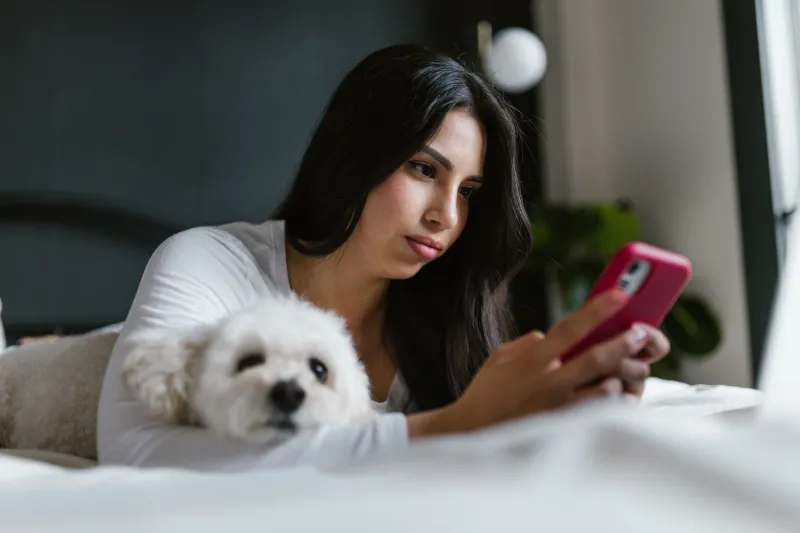
It starts innocently enough. Your cat does something ridiculous — sits in a salad bowl, knocks a full glass of water off the counter with sustained, deliberate eye contact — and you film it. You post it. Fifteen people like it. You feel good. A week later, you've created a dedicated Instagram account for the cat, you're using a ring light, and you're hashtagging things like #fluffyboi and #mondaymood.
Welcome to the pet content pipeline. Population: most of America.
There is nothing wrong with any of this. Pet content is genuinely one of the internet's better contributions to human happiness. But somewhere between your first funny video and your three-hundredth post, a quiet privacy problem has likely crept into your feed — and if your kids are in the mix too, the stakes get considerably higher.
What You Think You're Posting vs. What You're Actually Posting
Here's the thing about pet content: it almost never stays just about the pet. The dog is cute, but the dog is also standing in your backyard, which has a distinctive fence, which is visible on Google Maps if someone is motivated enough to look. The cat is hilarious, but the cat is sitting on a windowsill that shows your street. The puppy is adorable, but the puppy is wearing a tag that has your phone number on it, and you zoomed in for the close-up.
None of this is cause for panic. But it is cause for awareness.
Location data is the biggest stealth offender. Many smartphones embed GPS coordinates directly into photo metadata. Even if you don't say where you live, that information can travel with your image unless you've specifically disabled location tagging in your camera settings. Instagram and TikTok strip most metadata when you upload, but not all platforms do — and screenshots shared elsewhere can behave unpredictably.
The Kids-Plus-Pets Combination
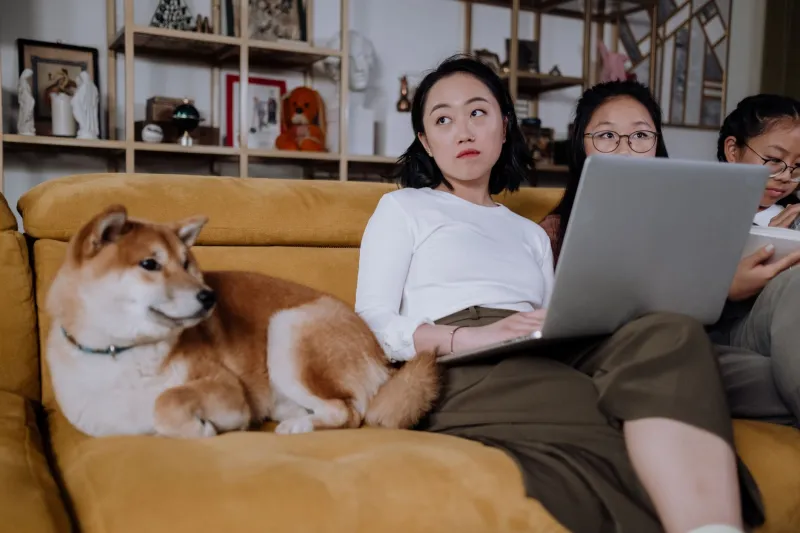
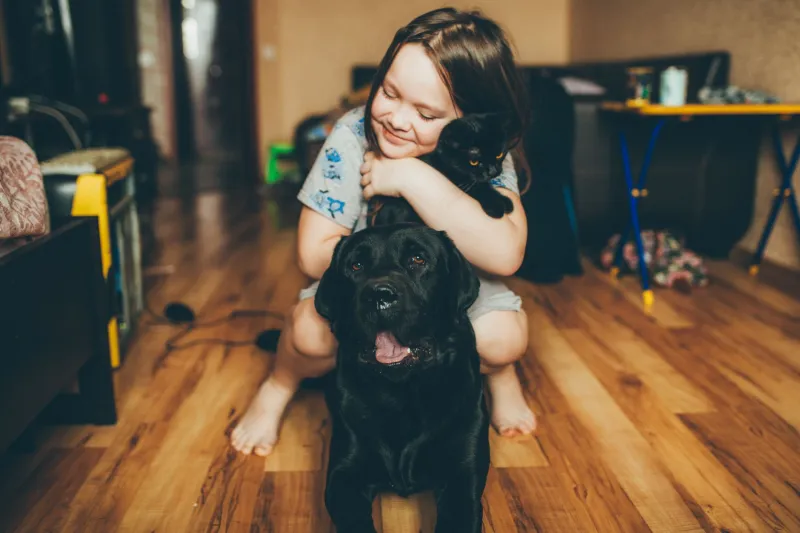
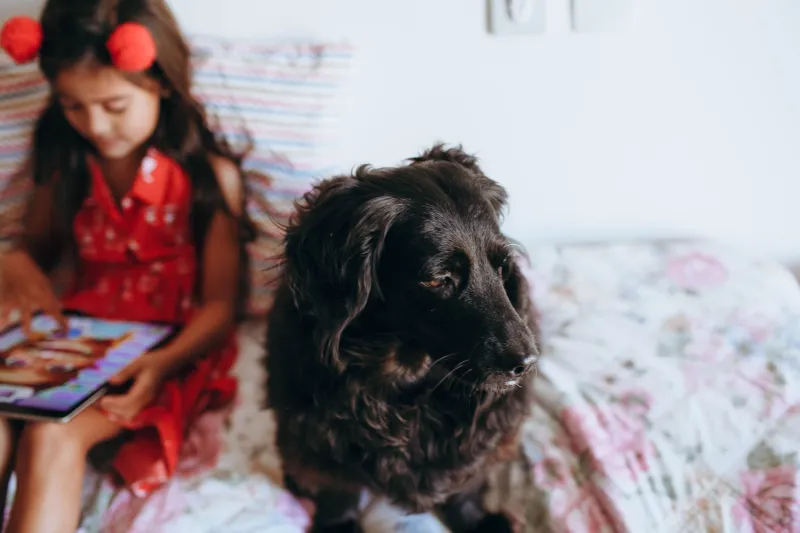
Pet accounts that also feature children are incredibly popular. Babies with dogs, toddlers with cats, kids and their first hamster — this content hits differently, and the engagement numbers reflect it. But mixing children into the equation layers in a whole additional set of considerations.
Child safety advocates have been raising alarms for years about the cumulative effect of sharenting — the habit of sharing children's lives online in ways the kids themselves haven't consented to. When you add a pet account to the mix, you've often created a highly searchable, well-documented record of your child's appearance, age, school schedule hints ("first day back, Biscuit missed us!"), and geographic area.
Strategically vague is your friend here. You don't need to share your city. You don't need to post in real time. A photo from the park can go up the next day. "We went somewhere fun with Biscuit" is just as charming as "Riverside Dog Park, 2 PM on Saturdays."
The Stranger Problem Nobody Talks About Enough
Most people who follow pet accounts are exactly who they seem to be: other animal lovers who are genuinely delighted by your corgi. But viral moments cast a wide net, and a wide net catches everything.
When content goes viral — even modestly, with a few thousand shares — the comment section changes. Most comments are fine. Some are weird. A small number come from people with intentions you'd rather not think about. For accounts featuring children and pets together, this reality is worth sitting with for a moment.
You don't have to go private (though that's always an option). But consider:
- Turning off comments from non-followers on platforms that allow it
- Reviewing your follower list periodically if your account is public
- Not responding to DMs that feel off — you don't owe strangers access to you
- Avoiding posts that mention your kids' names, schools, or specific routines
The Monetization Wrinkle
If your pet account has grown to the point where brands are sliding into your DMs with partnership offers — congratulations, genuinely — there are some additional privacy considerations that come with the territory.
Sponsored posts often require more specific content: product reviews in your home, unboxings, "day in the life" videos. These formats tend to reveal more about your environment and routine than a standalone funny clip. Think about what a motivated stranger could piece together from your last ten sponsored posts. That's not paranoia — that's just good digital hygiene.
Also worth knowing: if your children are featured in monetized content, some states (California being the most notable) have enacted laws around compensation and protections for minors in influencer content. This area of law is evolving fast.
A Few Practical Moves That Actually Help
None of this requires you to delete your accounts or stop posting your very photogenic dachshund. It just requires a little intentionality.
Audit your grid. Scroll back through your last six months of posts with fresh eyes. What can someone learn about you from this content alone?
Disable location services for your camera app. On iPhone: Settings → Privacy → Location Services → Camera → Never. On Android, the steps vary by device but the option exists.
Use a pseudonym for your pet account. "Biscuit the Corgi" doesn't need to be linked to your full legal name, your employer, or your personal Facebook.
Delay posting location-specific content. Share the beach trip after you're home, not while you're there.
Have an honest conversation with your kids about what gets posted and why. Even young children can begin to understand that some things are just for the family.
The Joy Is Still Worth It
Here's the thing: sharing your pet with the world is a genuinely lovely impulse. Animals bring people together in ways that almost nothing else does. That connection is real, and it matters.
You can absolutely keep building your pet's little corner of the internet. Just do it with your eyes open, your location settings off, and maybe a strategic crop that keeps your house number out of the frame. Biscuit deserves fans. You deserve peace of mind. Both things can be true at the same time.