Chaos at 3 AM: The Surprisingly Brilliant Science Behind Your Pet's Midnight Meltdown

It happens every time. You've finally drifted off into a beautiful, deep sleep. The kids are down. The house is quiet. Life is good. And then—WHAM—your golden retriever treats the hallway like a racetrack, your cat decides your shins are prey, and suddenly your entire household is wide awake and questioning every life decision that led to pet ownership.
Before you banish your furry gremlin to the garage, hear us out: that 3 AM chaos isn't random. It's not spite. It's not your pet personally targeting your REM cycle. It's actually one of nature's more clever little tricks—and once you understand it, you might just start appreciating it. (Okay, maybe not at 3 AM, but definitely by morning.)
What Even Are the Zoomies, Scientifically Speaking?
Veterinarians and animal behaviorists have a proper name for this phenomenon: Frenetic Random Activity Periods, or FRAPs. Yes, that's a real acronym, and yes, it is deeply satisfying to say. FRAPs are sudden, intense bursts of energy that pets—especially dogs and cats—experience seemingly out of nowhere. One second they're comatose on the couch. The next, they're a blur of fur and chaos.
These episodes are rooted in your pet's evolutionary history. Dogs, wolves, and wild cats are naturally crepuscular or nocturnal hunters, meaning their internal clocks are wired for peak activity around dawn and dusk—and sometimes, inconveniently, in the dead of night. Domestication has softened this instinct, but it hasn't erased it. Your pampered rescue mutt still carries the DNA of an animal that once needed to sprint, stalk, and pounce to survive.
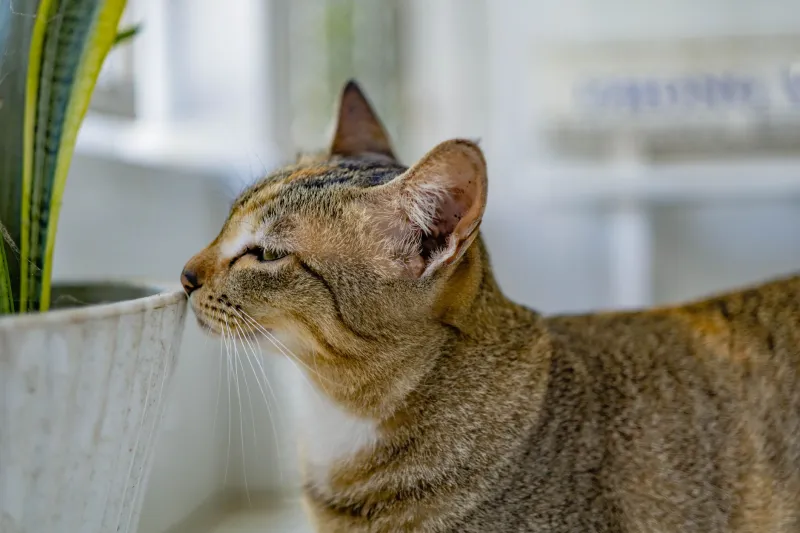
For cats especially, the midnight zoomies are practically a biological fact of life. Cats are hardwired as nocturnal predators. Their eyes are built to see in near-darkness. Their muscles are coiled for explosive bursts of speed. When the house goes quiet and the lights go down, something ancient flickers on inside them—and your ankles become the nearest available prey.
Why It Happens at the Worst Possible Times
Here's where it gets even more interesting. Pets often experience FRAPs after long periods of rest or inactivity—which means if your dog spent most of the day snoozing while the kids were at school, that stored energy has to go somewhere. And it usually goes somewhere at midnight.
Stress and excitement can also trigger zoomies. A vet visit, a new person in the house, a thunderstorm, or even just a really exciting smell can build up nervous energy that eventually releases like a furry little pressure valve. Some pets also get post-bath zoomies, which animal behaviorists believe may be a way of drying off, reclaiming their scent, or simply celebrating the end of the world's most traumatic event (a bath).
The timing feels personal. It isn't. Your pet isn't plotting against you. They're just running on an internal schedule that predates Netflix, alarm clocks, and the concept of a good night's sleep.
The Enrichment Angle: Turning Chaos Into Connection
Here's the Springdoo spin on this whole situation: instead of fighting nature, what if you worked with it? With a little planning, those wild energy bursts can actually become some of the best bonding moments your family has with your pet.
Schedule a pre-bedtime burn-off session. If you know your dog tends to lose it around 10 PM, build in a 15-minute backyard play session or a brisk neighborhood walk right before the family winds down. Think of it as a pressure release valve you control. A tired dog is a dramatically less chaotic dog—this is basically pet physics.
Puzzle feeders are your new best friend. For cats especially, a puzzle feeder or a slow-feeder toy given in the early evening can engage their hunting instincts in a constructive way. When that predatory urge gets channeled into finding their kibble, there's less leftover energy for launching off your sleeping face.
Create a designated zoomie zone. This sounds ridiculous until you try it. Clear a hallway or a section of the living room of anything fragile or tippable. When the zoomies strike, instead of panicking, you can calmly direct your pet to their designated chaos corner. Bonus: it becomes a hilarious family spectacle that kids absolutely love watching.
Lean into the crepuscular schedule on weekends. If your family is up for it, try an early-morning play session with your pet around dawn—the time when their energy naturally peaks. You might discover your dog or cat is a completely different (and delightfully engaged) animal at 6 AM versus 2 PM. Early morning fetch in the backyard hits different when everyone's fresh, and it's a surprisingly wholesome way to start a Saturday.
A Note for Families With Kids
If you've got little ones in the house, the midnight zoomies can feel genuinely stressful—especially if the pet wakes up a toddler who then decides they also need to run laps. The good news is that involving kids in the enrichment process actually helps on multiple fronts.
Let your kids help design obstacle courses or hide treats for puzzle play in the evening. Not only does it tire out the pet, but it also tires out the kids—which is, frankly, a parenting win disguised as a pet care strategy. Kids who participate in managing their pet's energy tend to develop stronger bonds with the animal and a better understanding of why pets behave the way they do. That's a science lesson, an empathy lesson, and a sleep solution all rolled into one chaotic, fur-covered package.
When to Actually Worry
Most of the time, zoomies are completely normal and nothing to stress about. But if your pet's nighttime activity seems excessive, is paired with signs of anxiety (like panting, pacing, or whining), or if an older pet suddenly starts exhibiting unusual bursts of energy, it's worth a quick chat with your vet. Sometimes changes in behavior can signal underlying health issues, so it's always smart to rule those out.
For the vast majority of families, though? The midnight zoo is just life with a pet. It's loud, it's occasionally terrifying, and it is—if you squint at it the right way—kind of magnificent.
Embrace the Wild Thing Living in Your House
Your pet, at its core, is a wild animal wearing a very convincing domesticated costume. The zoomies are just the costume slipping for a few glorious, unhinged minutes. And honestly? In a world of carefully curated everything, there's something kind of refreshing about a creature that simply cannot contain its joy—even at 3 AM.
So the next time your cat goes full rocket ship through the living room at an ungodly hour, take a breath. Maybe laugh a little. Then go schedule a pre-bedtime play session, because you're a Springdoo family, and you came here to work with the chaos—not just survive it.