Dressed for the Mess: How to Build a Wardrobe That Survives Life With a Pet (and Still Looks Good Doing It)
Let's be honest. The moment you brought a pet home, your relationship with your wardrobe changed forever. That sleek black turtleneck? Now a golden retriever highlight reel. The brand-new couch-colored joggers? Destroyed in under four minutes by muddy paws and the enthusiasm of a dog who absolutely does not understand the concept of personal space.
Yet somehow, pet parents across America still get dressed every morning with optimism in their hearts and fur on their fleece. The dream of looking put-together while cohabitating with an animal who sheds, drools, and occasionally uses your lap as a trampoline is not dead. It just needs a wardrobe intervention.
Welcome to your fur-friendly fashion reset.
The Fabric Hierarchy: What Survives, What Doesn't, and What You Should Never Have Bought in the First Place
Not all fabrics are created equal in a pet-filled household, and learning the difference can save you serious money—and serious heartbreak.
The Winners: Tightly woven fabrics like denim, canvas, and microfiber are your best friends. Pet hair tends to sit on top of these materials rather than weaving itself in like it's trying to take out a mortgage. A quick brush or lint roll and you're back in business. Wool blends, surprisingly, also perform well—the natural texture can actually help hair release more easily in the wash.
The Losers: Velvet, fleece, corduroy, and anything with a loose knit are basically pet hair magnets with price tags. If you own a husky and a velvet blazer, one of those things needs to go. (We're not saying which one, but the husky is cuter.)
The Wildcards: Linen is breezy and stylish, but it wrinkles if you breathe on it wrong, and a dog's enthusiastic greeting will leave it looking like a crumpled grocery bag. Silk is gorgeous and absolutely not built for a household where someone licks your hand as a greeting. Save those for date nights that happen after the pet has been put to bed.
Color Theory for the Fur-Covered Life
Here's a tip that sounds depressing but is actually liberating: match your wardrobe to your pet.
Seriously. If you have a chocolate lab, lean into browns, tans, and warm earth tones. Tabby cat owner? Grays and tawny oranges become your palette. Black cat household? Honestly, you're already halfway to a chic minimalist wardrobe—just avoid white linen pants like they're cursed.
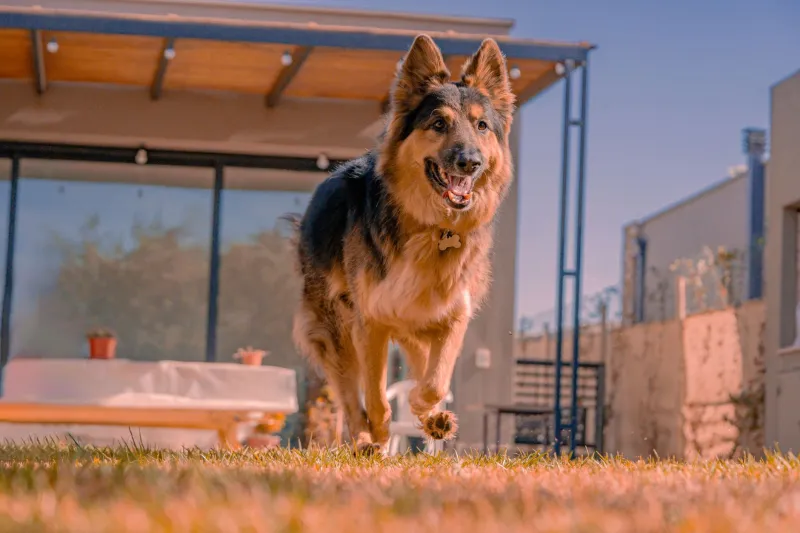
This isn't giving up. This is strategic dressing. It's the same logic that leads camouflage hunters to blend into their environment, except your environment is a 70-pound dog who thinks your lap is a beanbag chair.
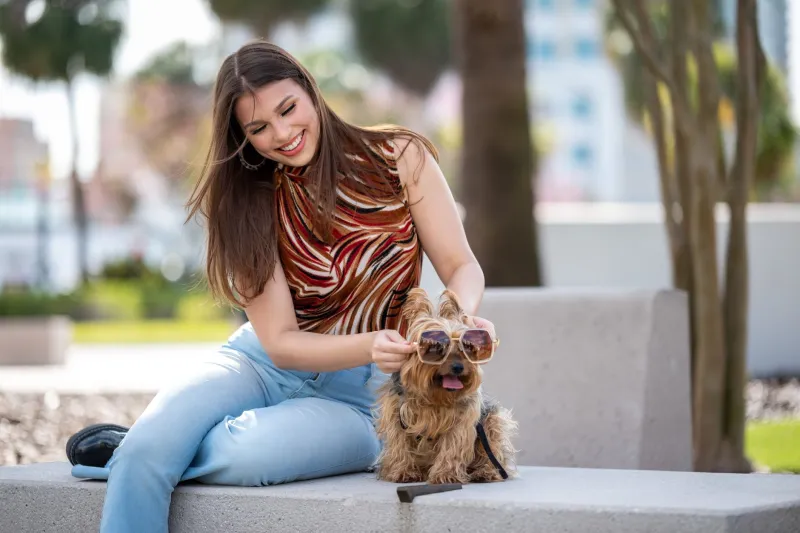
Beyond matching, patterns are your secret weapon. Ditsy florals, plaids, abstract prints, and busy geometric designs are phenomenally effective at disguising pet hair between lint roll sessions. A solid-colored shirt announces every single strand. A printed blouse says what fur? I see no fur.
The Laundry Situation (Or: How to Actually Get Pet Hair Out of Your Clothes)
Doing laundry as a pet parent without a game plan is like going into battle without armor. You will lose.
First, the pre-wash. Before anything goes into the machine, run your clothes through a 10-minute dryer cycle on low heat with no water. This loosens embedded pet hair and static-clings it to the lint trap, where it belongs. Then wash as normal. Game changer.
For the wash itself, add half a cup of white vinegar to your rinse cycle. It softens fabrics, reduces static (which is what makes fur cling in the first place), and won't hurt your clothes or your pet. A laundry ball with rubber nubs—tossed right into the drum—also works wonders for grabbing hair during the cycle.
Dryer sheets are your post-wash allies. They reduce static and help any remaining hairs shake loose. Just make sure you're using pet-safe, fragrance-free versions, since heavily scented products can irritate sensitive animals.
And yes, you need multiple lint rollers. One in the car. One by the front door. One at your office. One in your purse or bag. Think of them less as a cleaning tool and more as a lifestyle accessory.
Building the Actual Closet: What to Keep, What to Donate, and What to Protect
Not everything needs to go. You're allowed to own nice things. You just need a system.
Everyday Pet-Zone Clothes: These are your daily drivers—the outfits you wear during morning walks, feeding time, post-work cuddle sessions, and any activity where your pet is involved. Prioritize durability, washability, and your pet's color palette here. These clothes should be able to go straight into the wash without ceremony.
Protected Occasion Pieces: That linen blazer, the silk blouse, the dry-clean-only dress—these live in a separate section of your closet, ideally behind a closed door or in a garment bag. You put them on after the dog has been walked and before you leave the house. You do not sit on the couch in them. You do not say goodbye to the cat while wearing them. You walk out the door with military precision.
The Transition Zone: These are the clothes that are nice enough to wear in public but durable enough to survive a quick pet encounter. A well-fitted pair of dark jeans and a patterned blouse. A structured knit sweater in a mid-tone color. These are your workhorses—stylish enough for real life, resilient enough for pet life.
The Psychology of Dressing When You Live With Animals
Here's something nobody talks about: pet parents often unconsciously start dressing down over time. It's a slow creep. First the good coat gets retired to special occasions. Then the nice shoes only come out on weekends. Eventually you're wearing the same three outfits on rotation because they're the only ones that survive contact with your pet.
This is completely understandable and also slightly sad—because you deserve to feel good in what you're wearing, even if your morning commute includes a golden retriever trying to sit in your lap.
The fix isn't spending more money. It's spending it smarter. Invest in quality basics in pet-friendly fabrics and colors. Protect your occasion pieces with actual intention. And give yourself permission to dress well for your own life, fur and all.
Your pet doesn't care what you're wearing. They just want you to come home. But you care, and that matters.
One Last Thing
If you take nothing else from this, take this: a pet hair or two on your collar is not a fashion failure. It's evidence of a full life. It means someone was happy to see you this morning. It means there's a creature at home who thinks you're the best thing in the world, regardless of what you're wearing.
But also, keep a lint roller in your car. Just in case.